Keeshond: The Smiling Dutch Barge Dog's Full Owner's Guide
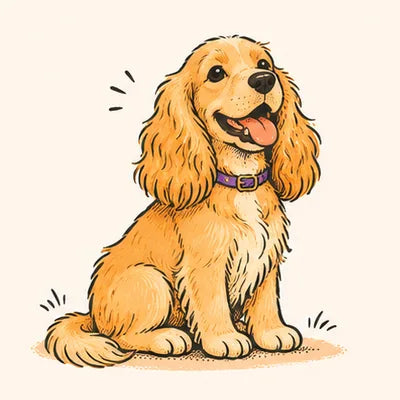
Keeshond
A Keeshond's face does most of the talking before the dog even moves - dark "spectacles" rimming the eyes, a fox-like grin, and a silver-tipped ruff that looks lifted straight off an 18th-century Dutch canal boat. That's not far off: this spitz breed spent generations riding cargo barges through the Netherlands, watching for thieves and keeping bargemen company through long, cold shifts. Today's Keeshond has traded barges for living rooms, but the alert, people-focused temperament that made it a good boat dog is exactly what makes it a demanding, devoted family companion now. Here's what actually matters before bringing one home.
At-a-glance guide
| Section | Key takeaway |
|---|---|
| What is a Keeshond and where did the breed come from? | The Keeshond is a medium-sized spitz breed developed in the Netherlands, historically kept aboard barges… |
| Is a Keeshond's temperament a good match for a busy household? | Keeshonden were bred as companion dogs first, not working herders or guardians in the strict sense, so the… |
| What health problems are Keeshonden prone to? | Keeshonden face an elevated lifetime risk of Hodgkin's-like lymphoma and other cancers, and the breed has… |
| How much grooming does that famous double coat actually require? | The Keeshond's coat is a harsh, straight outer layer over a thick, pale undercoat, and it's the undercoat… |
| What does day-to-day life with a Keeshond actually look like? | Because they were bred to live in close quarters with people on a working boat, Keeshonden tend to shadow… |
| What is a healthy Keeshond's expected lifespan, and what affects it? | The Keeshond Club of America lists a typical lifespan of 12 to 15 years, which is in line with other… |
| How do I find a responsible Keeshond breeder or decide if rescue is a better fit? | Because the Keeshond gene pool shrank sharply during its early-20th-century population bottleneck, the… |
What is a Keeshond and where did the breed come from?
The Keeshond is a medium-sized spitz breed developed in the Netherlands, historically kept aboard barges and river boats as a watchdog and companion for skippers navigating the country's canal network, a lineage the American Kennel Club traces back several centuries in its official breed history (American Kennel Club, n.d.). The breed shares ancestry with other northern spitz-type dogs, including the Samoyed, Pomeranian, and Norwegian Elkhound, which explains the dense double coat, curled tail, and pointed prick ears they all carry. Males and females are similar in size, typically standing 17 to 18 inches at the shoulder and weighing 35 to 45 pounds, according to breed standard figures published by the AKC (American Kennel Club, n.d.).
The name carries a political footnote: the breed became briefly associated with an 18th-century Dutch political faction whose leader, nicknamed Kees, kept the dogs as his emblem, and popularity dipped afterward until Dutch fanciers organized a formal revival in the 1920s, a history documented by the Keeshond Club of America (Keeshond Club of America, n.d.). That near-loss is part of why the modern gene pool is comparatively small and why breed clubs emphasize health screening in every litter produced today.
Quick triage path
Is a Keeshond's temperament a good match for a busy household?
Keeshonden were bred as companion dogs first, not working herders or guardians in the strict sense, so the breed standard the AKC publishes describes them as outgoing, friendly, and eager to be included in whatever the family is doing rather than aloof or territorial (American Kennel Club, n.d.). That sociability cuts both ways: owners consistently report that Keeshonden do poorly when left alone for long stretches and can develop separation-related barking or destructive chewing if daily human contact is limited, a pattern consistent with general findings on companion-bred breeds from the ASPCA on separation anxiety risk factors (ASPCA, n.d.).
The breed's moderate energy level makes it more adaptable to apartment living than many spitz cousins, but moderate does not mean low. Most adult Keeshonden need at least 30 to 60 minutes of active exercise daily, plus mental engagement, since the breed was selected for alertness and problem-solving on a working boat rather than for quiet lounging, according to breed-specific guidance from the Keeshond Club of America (Keeshond Club of America, n.d.). Households that can't offer a daily walk plus play or training time will likely see the vocal, watchdog side of the breed surface as excessive barking.
What health problems are Keeshonden prone to?
Keeshonden face an elevated lifetime risk of Hodgkin's-like lymphoma and other cancers, and the breed has been used in comparative oncology research specifically because of this heightened predisposition, a connection noted in breed health resources compiled by the Orthopedic Foundation for Animals registry programs and referenced by national breed clubs (OFA, n.d.). Hip dysplasia, patellar luxation, and primary hyperparathyroidism, a hereditary calcium-regulation disorder identified specifically in this breed, also appear at higher-than-average rates, which is why the Keeshond Club of America's health committee recommends hip, patella, and cardiac screening before breeding (Keeshond Club of America, n.d.).
Eye conditions, including progressive retinal atrophy, and a hereditary skin condition sometimes called Keeshond alopecia (linked to sex-hormone-driven coat cycling) round out the breed's known risk list, according to the same national club health resources (Keeshond Club of America, n.d.). Prospective owners buying from a breeder should ask directly whether the sire and dam have current OFA or PennHIP hip evaluations, a CERF or CAER eye exam, and cardiac clearance, since these tests form the baseline health screening panel the parent club recommends for the breed.
How much grooming does that famous double coat actually require?
The Keeshond's coat is a harsh, straight outer layer over a thick, pale undercoat, and it's the undercoat that drives the grooming workload: the AKC's breed care guidance calls for brushing at least two to three times per week to prevent matting, with daily brushing recommended during the twice-yearly heavy seasonal shed (American Kennel Club, n.d.). Owners who skip brushing for more than a week or two often end up needing a professional groomer to work through mats that form behind the ears, in the ruff, and on the rear "pants," since the undercoat can felt against the skin once neglected.
Bathing every 6 to 8 weeks with a dog-specific shampoo, plus regular nail trims and ear checks, rounds out routine care, and owners should never shave a Keeshond's coat except for medical reasons, since double coats regulate body temperature and shaving can permanently alter regrowth texture and color, a caution echoed across spitz-breed grooming guidance from veterinary dermatology sources (Merck Veterinary Manual, 2024).
What Keeshond symptoms mean it's time to call the vet right away?
Sudden lethargy, a rapidly enlarging lump anywhere on the body, or visibly swollen lymph nodes under the jaw, in front of the shoulders, or behind the knees warrant same-day veterinary evaluation in this breed given its documented predisposition to lymphoma, since early biopsy and staging materially change treatment options and outcome (OFA, n.d.). Persistent vomiting, loss of appetite lasting more than a day, or noticeable muscle tremors and weakness can point toward calcium imbalance from primary hyperparathyroidism, a condition specifically overrepresented in Keeshonden and one that requires bloodwork to diagnose.
Sudden lameness that doesn't resolve within 24 hours, especially in a young dog, should prompt an orthopedic exam given the breed's hip and patella risk, since delaying evaluation can allow joint damage to progress before it's caught. Any dog showing labored breathing, a distended abdomen, pale gums, or collapse needs emergency care immediately rather than a scheduled appointment, since these signs can indicate an internal mass or bleed that requires urgent intervention.
Bottom line
Keeshonden are affectionate, alert companion dogs built for close daily contact with their people, not solo yard life, and they come with real grooming demands and breed-specific health risks, especially cancer and hyperparathyroidism, that make health-tested breeding lines and regular checkups worth prioritizing. Expect two to three brushing sessions weekly, at least a half hour of daily activity, and a 12-to-15-year commitment. Buy from a health-tested breeder or consider breed rescue, and keep up twice-yearly vet visits after age 7.
What does day-to-day life with a Keeshond actually look like?
Because they were bred to live in close quarters with people on a working boat, Keeshonden tend to shadow their owners from room to room and do best when treated as a genuine member of the household rather than a yard dog, a trait the Keeshond Club of America highlights as central to the breed's character (Keeshond Club of America, n.d.). They generally do well with children and other pets when socialized early, and their watchdog instinct makes them quick to bark at doorbells and strangers, which some owners value and others find excessive without consistent training from puppyhood.
Early socialization classes and basic obedience work pay off disproportionately with this breed: Keeshonden are intelligent and trainable but can be independent-minded, and the AKC notes that positive-reinforcement-based training started young produces a much more manageable adult than training delayed until behavior problems appear (American Kennel Club, n.d.). Puppy kindergarten between 8 and 16 weeks of age, combined with continued exposure to new people and environments through the first year, is the standard recommendation from veterinary behaviorists for any vocal, people-oriented breed like this one.
What is a healthy Keeshond's expected lifespan, and what affects it?
The Keeshond Club of America lists a typical lifespan of 12 to 15 years, which is in line with other medium-sized spitz breeds, though individual longevity depends heavily on whether a dog was screened for the breed's known hereditary conditions before breeding (Keeshond Club of America, n.d.). Dogs from health-tested lines with clear hip, cardiac, and eye results tend to avoid the early-onset orthopedic and vision problems that can shorten both lifespan and quality of life in poorly screened lines.
Weight management plays an outsized role in this breed's long-term health, since the same joint conditions the breed is predisposed to are worsened by excess body weight, and obesity is one of the most common preventable health issues veterinarians see across all dog breeds according to the AVMA (American Veterinary Medical Association, n.d.). Regular veterinary checkups, ideally twice yearly once a Keeshond passes age 7, allow early detection of the lymphoma and hyperparathyroidism the breed is genetically prone to, when treatment options are most effective.
How do I find a responsible Keeshond breeder or decide if rescue is a better fit?
Because the Keeshond gene pool shrank sharply during its early-20th-century population bottleneck, the Keeshond Club of America maintains a breeder referral list and a code of ethics requiring health testing, and prospective owners are encouraged to work only with breeders who provide documentation of hip, eye, and cardiac clearances rather than verbal assurances (Keeshond Club of America, n.d.). Buyers should expect a waiting list for well-bred litters, since responsible breeders limit litter frequency and prioritize matching temperament and health over volume.
Keeshond-specific rescue organizations, several of which are listed through the national parent club's rescue network, place adult dogs that are often already house-trained and past the most demanding puppy phase, which can be a strong option for owners who want the breed's temperament without the two years of intensive puppy-raising a coat and training regimen requires (Keeshond Club of America, n.d.). Either path should include a written health history and, when possible, direct contact with the dog's prior veterinarian.
References
- American Kennel Club. (n.d.). Keeshond dog breed information. https://www.akc.org/dog-breeds/keeshond/
- Keeshond Club of America. (n.d.). About the Keeshond. https://www.keeshond.org/
- American Veterinary Medical Association. (n.d.). Obesity in pets. https://www.avma.org/resources/pet-owners/petcare/obesity-pets
- ASPCA. (n.d.). Separation anxiety. https://www.aspca.org/pet-care/dog-care/common-dog-behavior-issues/separation-anxiety
- Merck Veterinary Manual. (2024). Grooming of dogs. https://www.merckvetmanual.com/dog-owners
- Orthopedic Foundation for Animals. (n.d.). Keeshond health information. https://ofa.org/
Related reading

Dogs
"ADR" in Dogs: What Vets Mean When They Say Your Dog "Ain't Doin' Right"
"ADR" in Dogs: What Vets Mean When They Say Your Dog "Ain't Doin' Right" A dog that's simply "off" — skipping breakfast, sleeping more, not...

Dogs
10 Healthy Dog Food Toppers—and How to Use Them Safely
10 Healthy Dog Food Toppers—and How to Use Them Safely A topper can add aroma, texture, and variety, but it should complement—not unbalance—a complete diet....
Dogs
12 Subtle Signs of Cancer in Dogs Most Owners Miss Until It's Advanced
12 Subtle Signs of Cancer in Dogs that Most Pet Parents Overlook A dog with cancer rarely limps into the exam room clutching a diagnosis...